

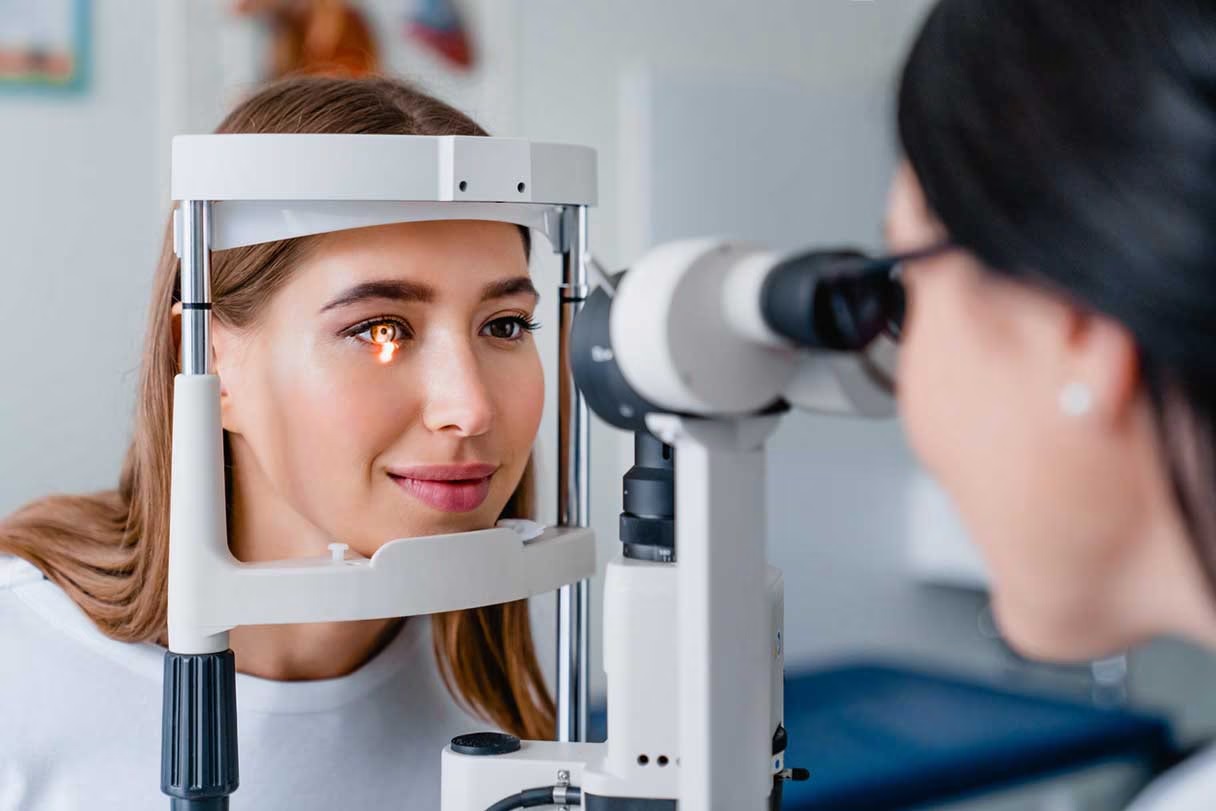
Eyes are often referred to as the windows to the soul, but they also serve as crucial indicators of overall health. Regular eye exams extend beyond assessing visual acuity; they play a pivotal role in safeguarding your well-being. This article explores the multifaceted importance of scheduling routine eye examinations for the maintenance of both ocular health and overall vitality.
-
Early Detection of Eye Diseases: Regular eye exams are instrumental in detecting eye diseases at their earliest stages. Conditions such as glaucoma, macular degeneration, and diabetic retinopathy often manifest without noticeable symptoms in their initial phases. Routine examinations enable eye care professionals to identify these issues early, allowing for timely intervention and management.
-
Preserving Visual Acuity: While changes in vision may be gradual, routine eye exams can identify refractive errors such as myopia, hyperopia, and astigmatism. Prescription adjustments through corrective lenses or contact lenses can enhance visual acuity, preventing eye strain and discomfort associated with uncorrected vision.
-
Monitoring Systemic Health Conditions: The eyes can provide valuable insights into systemic health. Conditions like diabetes, hypertension, and autoimmune diseases can manifest with ocular symptoms. Through a comprehensive eye exam, healthcare providers can observe signs that may indicate broader health issues, prompting further investigation and treatment.
-
Prevention of Digital Eye Strain: In an era dominated by digital screens, digital eye strain has become increasingly prevalent. Symptoms like dry eyes, headaches, and blurred vision can result from prolonged screen time. Regular eye exams help address and prevent digital eye strain by identifying any visual issues and providing guidance on optimal screen ergonomics.
-
Evaluation of Children’s Eye Health: Children’s eyes are continually developing, and early detection of vision problems is crucial for their overall well-being. Regular eye exams for children assess visual acuity, eye teaming, and eye movement skills. Identifying and addressing issues early can contribute to better academic performance and overall development.
-
Adjustments for Age-Related Changes: Aging brings about changes in vision, such as presbyopia (difficulty focusing on close objects) and an increased risk of cataracts. Routine eye exams for older adults enable eye care professionals to prescribe appropriate interventions, such as reading glasses or cataract surgery, to maintain optimal vision.
-
Preservation of Eye Health in Contact Lens Wearers: Contact lens wearers are at a higher risk of certain eye conditions, such as dry eyes and infections. Regular eye exams for contact lens wearers ensure that the lenses fit properly, assess corneal health, and address any potential complications, promoting both eye health and comfort.
-
Promotion of Healthy Lifestyle Choices: Eye care professionals can provide valuable guidance on lifestyle choices that impact eye health. Recommendations may include the importance of a nutrient-rich diet, proper hydration, and protective measures against ultraviolet (UV) exposure. These insights contribute to holistic well-being.
-
Preserving Quality of Life: Clear and comfortable vision is fundamental to a high quality of life. Routine eye exams play a vital role in preserving visual function, preventing avoidable vision loss, and ensuring individuals can enjoy daily activities with clarity and ease.
In conclusion, regular eye exams are not merely a vision check; they are a comprehensive assessment of ocular health with far-reaching implications for overall well-being. By prioritizing routine eye care, individuals can proactively manage and preserve their vision while gaining valuable insights into their broader health. A clear vision to wellness begins with the simple yet profound act of scheduling regular eye examinations.
