

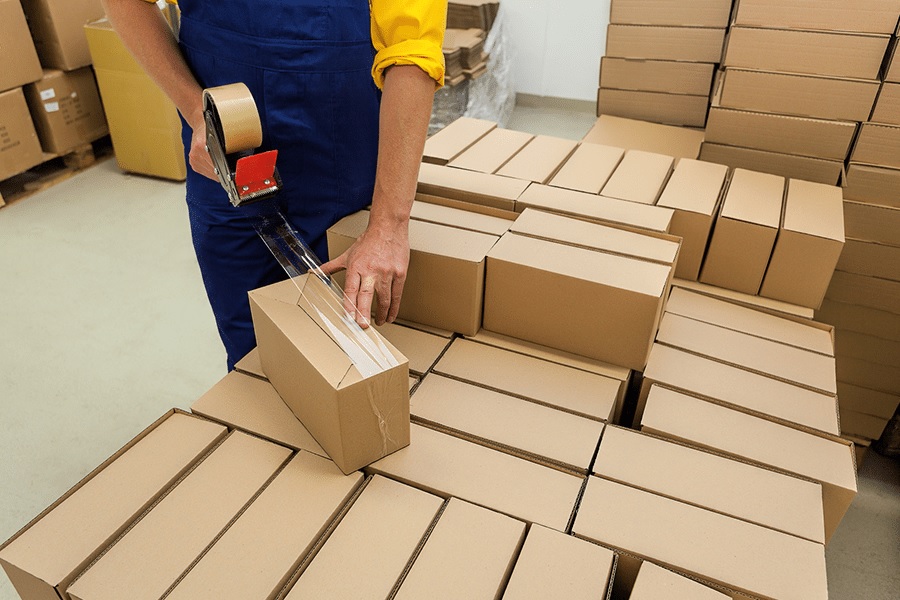
Shipping products safely is not just a small part of business operations—it directly affects customer trust and long-term success. A product may be well-made, but if it arrives damaged, the customer experience is already negative. That is why businesses are now paying more attention to how products are packed and transported. One of the most effective ways to improve protection is to focus on strong, reliable Shipping Case Design, which ensures products remain safe even under challenging transit conditions.
During shipping, products go through multiple stages, including loading, transport, unloading, and storage. At each stage, there is a possibility of rough handling or environmental exposure. Without proper planning, these factors can lead to damage, delays, and extra costs. A well-thought-out approach helps reduce these risks and keeps products secure throughout the journey.
Understanding the Real Challenges in Shipping
Many people assume that shipping simply involves placing a product in a box and sending it out. In reality, the journey is much more complex. Packages are often handled by different people and machines and may travel long distances through various environments.
For instance, a package might be dropped accidentally during loading or placed under heavy items in a delivery truck. Over long distances, constant vibrations can weaken packaging and cause internal movement. In some cases, products may also be exposed to changes in temperature or humidity, which can affect their condition. These challenges make it clear that shipping safety requires careful planning rather than a basic approach.
Selecting Materials That Offer Real Protection
The choice of packaging material plays a crucial role in preventing damage. Not all materials provide the same level of protection, and using the wrong one can lead to serious issues. Strong outer materials help absorb shocks, while internal cushioning protects delicate parts of the product.
It is important to match the material with the product’s needs. For example, fragile items require soft padding that can absorb impact, while heavier products need firm support to stay in place. Good packaging materials also need to be practical they should not add unnecessary weight or complicate handling. When the right materials are used, the risk of breakage is significantly reduced.
Keeping Products Stable Inside the Packaging
Even the strongest outer packaging cannot protect a product if it is loose inside. Movement within the box is one of the most common reasons for damage during shipping. When a product shifts, it can hit the sides of the packaging or collide with other items.
To prevent this, businesses should focus on securing products properly:
- Fill empty spaces with protective padding
- Ensure the product fits tightly within the package
- Separate items to avoid direct contact
These simple steps help keep the product stable and reduce the impact of shocks and vibrations during transit.
Designing Packaging for Real-World Conditions
Shipping conditions are rarely gentle, so packaging should be designed with real-world situations in mind. It is not enough for a package to look strong it must perform well under pressure, impact, and movement.
A well-designed packaging system considers several factors:
- Protection from drops and sudden impacts
- Resistance to pressure when stacked
- Stability during continuous movement
Testing packaging under realistic conditions can help identify weak areas before products are shipped. This allows businesses to improve their designs and avoid costly damage later.
The Role of Clear Labelling
Labelling is a simple but effective way to improve product safety. Clear instructions help handlers understand how a package should be treated. While labels cannot control every situation, they increase awareness and encourage careful handling.
For example, marking a package as fragile can make handlers more cautious. Indicating the correct orientation of the box helps prevent damage to sensitive components. Proper labelling works best when combined with strong packaging, as both elements support each other.
Improving Handling and Storage Practices
Safe shipping does not depend only on packaging. The way products are handled and stored also plays a major role. Even well-packed items can be damaged if they are handled carelessly or stored in poor conditions.
Training staff to follow proper handling methods is essential. Using appropriate equipment for lifting and moving packages reduces the risk of accidents. In storage areas, keeping products organised and protected from moisture or extreme temperatures helps maintain their quality. These practices create a safer environment for products before and during shipping.
Continuous Improvement for Better Results
Shipping processes should be reviewed regularly to ensure they remain effective. As products change or business operations grow, packaging and handling methods should also be updated.
Feedback from customers and delivery teams can highlight common issues. If damage occurs, it is important to identify the cause and make improvements. Over time, these small changes lead to better protection and fewer problems during shipping.
Conclusion
Improving product safety during shipping requires attention to detail and a practical approach. By understanding the challenges involved and using the right materials, packaging methods, and handling practices, businesses can reduce the risk of damage.
Clear planning, proper design, and continuous improvement all contribute to safer deliveries. When products arrive in good condition, customers feel satisfied and confident in the business. In the end, strong shipping practices are not just about protection—they are about building trust and reliability.
