

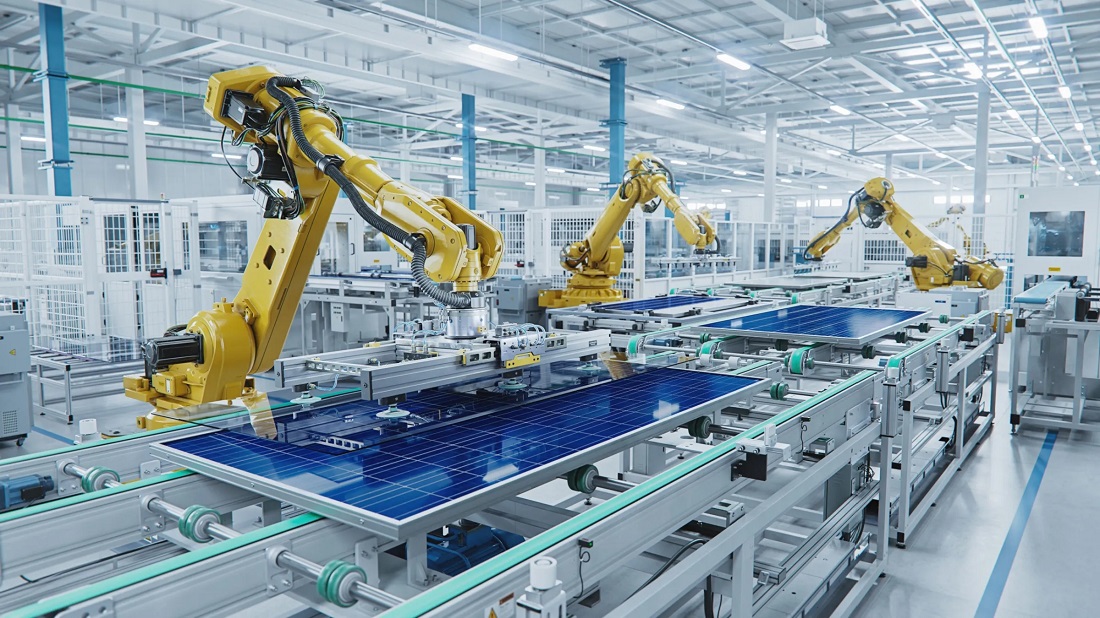
Automation is no longer a distant concept reserved for futuristic factories. It has become a defining force in modern industry, reshaping how work is performed, managed, and valued. From robotic arms on assembly lines to software-driven logistics systems, automation is transforming industrial workforces at an unprecedented pace.
This shift is not simply about replacing human labor. It is about redefining roles, skills, and productivity across global industries.
Understanding Automation in the Industrial Context
Industrial automation refers to the use of machines, control systems, and digital technologies to perform tasks with minimal human intervention. Unlike traditional mechanization, modern automation relies heavily on data, sensors, and intelligent software.
Key components of industrial automation include:
-
Robotics for repetitive and precision-based tasks
-
Artificial intelligence (AI) for decision-making and optimization
-
Programmable logic controllers (PLCs) for process control
-
Industrial Internet of Things (IIoT) for real-time monitoring
Together, these technologies form the backbone of what is often called smart manufacturing.
Why Automation Is Accelerating Across Industries
Several forces are driving the rapid adoption of automation in industrial environments.
Economic Pressures and Productivity Goals
Manufacturers face constant pressure to reduce costs while increasing output. Automated systems can operate continuously, minimize waste, and maintain consistent quality levels that are difficult to achieve manually.
Labor Shortages and Workforce Gaps
In many regions, aging populations and skill shortages have made it difficult to fill industrial roles. Automation helps bridge this gap by handling labor-intensive tasks that are increasingly hard to staff.
Technological Maturity
Advances in sensors, machine learning, and cloud computing have made automation systems more reliable, affordable, and scalable than ever before.
How Automation Is Changing Industrial Jobs
Automation is not eliminating work as much as it is changing the nature of work. While some roles decline, others emerge or evolve.
Jobs Most Affected by Automation
Roles involving repetitive, predictable tasks are the most vulnerable, such as:
-
Assembly line operations
-
Basic machine operation
-
Manual material handling
-
Routine quality inspection
These tasks are well-suited to machines that can perform them faster and with fewer errors.
New and Evolving Roles
As automation grows, demand increases for roles that focus on oversight, analysis, and system management, including:
-
Automation technicians and engineers
-
Data analysts and process optimizers
-
Robotics maintenance specialists
-
Cybersecurity professionals for industrial systems
Human judgment, creativity, and problem-solving remain critical in these positions.
The Shift Toward Human–Machine Collaboration
Modern industrial environments are increasingly built around collaboration rather than replacement. Collaborative robots, often called cobots, are designed to work safely alongside humans.
This collaboration enables:
-
Reduced physical strain on workers
-
Improved safety in hazardous environments
-
Faster training and adaptability
-
Greater job satisfaction through higher-value tasks
Workers transition from doing the work to supervising and improving how the work is done.
Skills Required in an Automated Industrial Workforce
The rise of automation places new demands on industrial workers. Technical ability is important, but it is not the only requirement.
Core Skills for the Automated Era
-
Digital literacy to interact with automated systems
-
Problem-solving skills for troubleshooting and optimization
-
Adaptability in rapidly changing environments
-
Cross-disciplinary knowledge combining mechanics, software, and data
Continuous learning becomes essential, as technologies evolve faster than traditional training cycles.
Challenges Automation Brings to the Workforce
Despite its benefits, automation introduces real challenges that industries and societies must address.
Workforce Displacement Concerns
Job displacement remains a major fear, especially for workers without access to reskilling opportunities. Without proactive planning, automation can widen economic inequality.
Training and Transition Costs
Implementing automation requires significant investment not only in technology but also in training programs to prepare workers for new roles.
Ethical and Social Considerations
Decisions about what to automate, and how quickly, raise questions about fairness, accountability, and long-term employment stability.
Long-Term Outlook for Industrial Workforces
In the long run, automation is likely to reshape industrial work rather than eliminate it. Industries that invest in worker development alongside automation tend to see higher productivity, lower turnover, and stronger innovation.
The most resilient industrial workforces will be those that balance:
-
Technological advancement
-
Human expertise
-
Ongoing education and reskilling
Automation becomes a tool for growth when people remain at the center of the transformation.
Frequently Asked Questions
How does automation affect job security in industrial sectors?
Automation can reduce demand for certain roles, but it also creates new positions that require different skills, shifting rather than eliminating employment.
Are small and medium-sized manufacturers adopting automation?
Yes, declining technology costs and modular systems have made automation more accessible to smaller manufacturers.
What industries are experiencing the fastest automation growth?
Manufacturing, logistics, automotive, electronics, and food processing are among the fastest adopters.
Do automated factories require fewer workers overall?
They often require fewer manual workers but more skilled professionals in engineering, maintenance, and data-related roles.
How can workers prepare for increased automation?
Workers can focus on continuous learning, digital skills, and roles that emphasize critical thinking and system oversight.
Is automation only about robots?
No, automation also includes software, data analytics, and control systems that improve efficiency without physical robots.
Can automation improve workplace safety?
Yes, automation can remove workers from dangerous tasks, reduce accidents, and improve overall industrial safety standards.
